Day 1: Journey to Multan
The journey began with a 9-hour road trip from Peshawar to Multan. For many students, it was their first encounter with the cultural landscape of South Punjab, making the experience both exciting and memorable. With planned stops for rest and refreshments, the group arrived in Multan by evening and was warmly hosted at the NFC-IET guest house. The day concluded with rest and anticipation for the academic engagement ahead.
Day 2: Field Immersion Begins
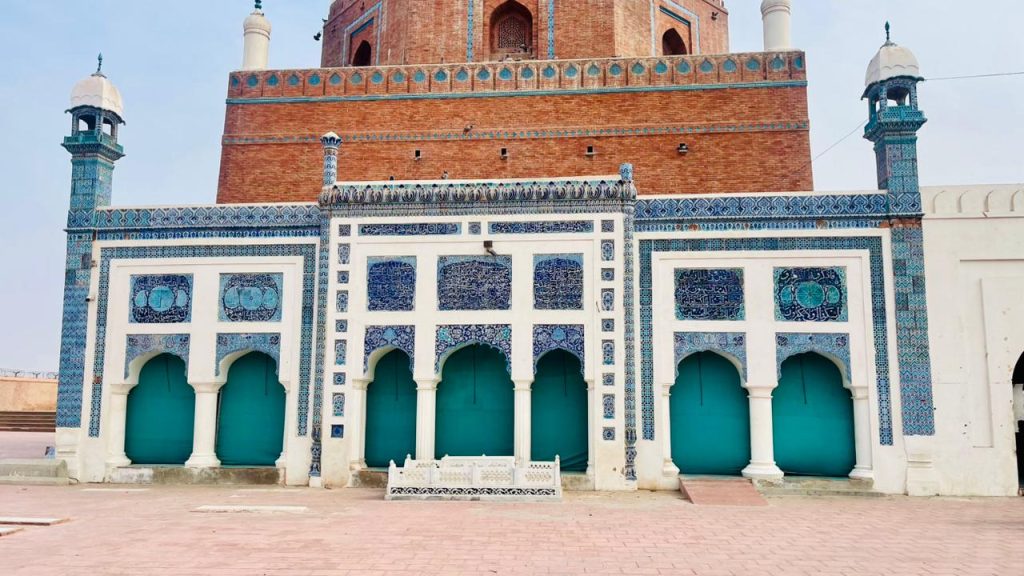
The workshop formally commenced at NFC-IET, where students were organized into collaborative groups and assigned key heritage sites in Multan for documentation and analysis. The selected sites included:
Shah Rukn-e-Alam Tomb
Shah Shams Sabzwari Tomb
Bahauddin Zakariya Tomb
Multan Clock Tower
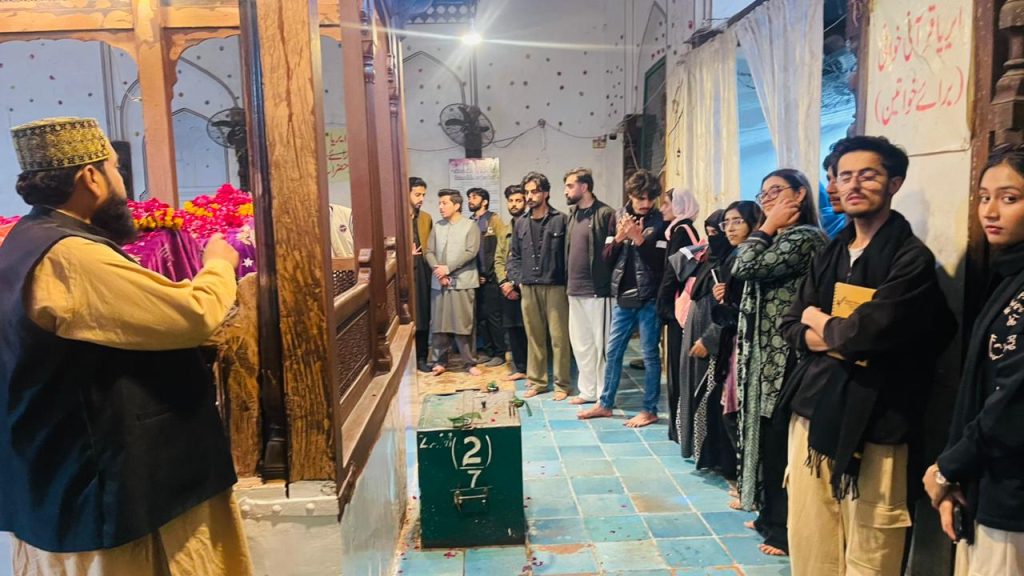
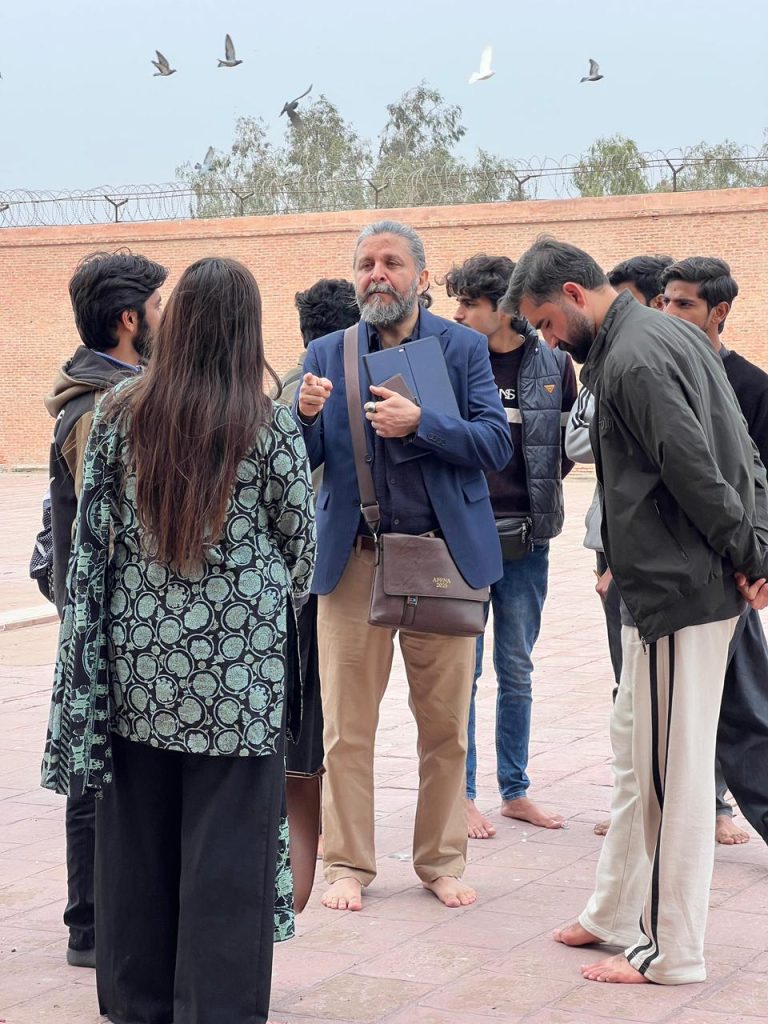
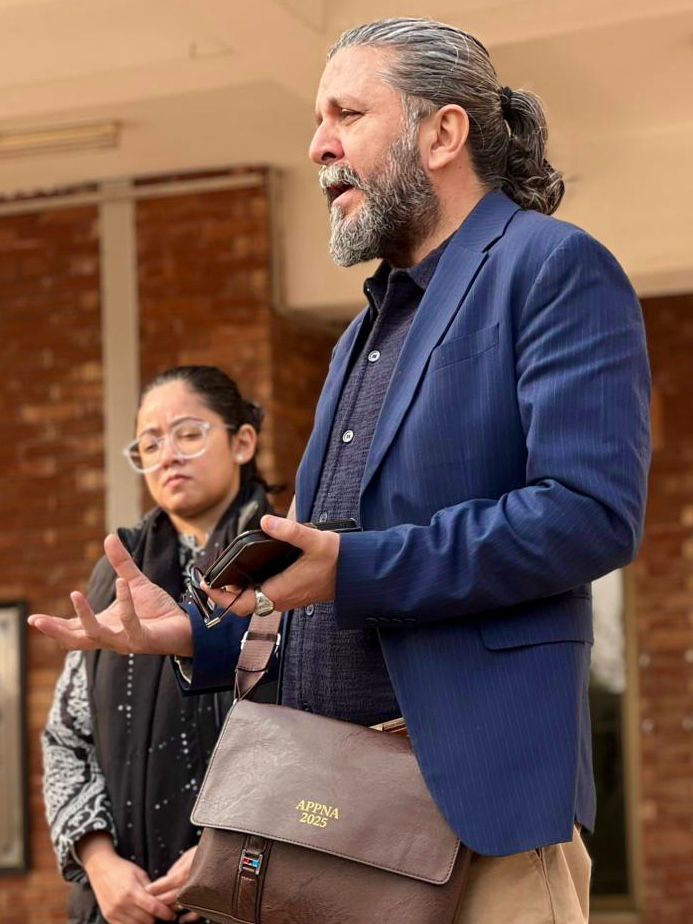
Guided by faculty, students engaged in on-site exploration through observation, photography, sketching, and detailed analysis of spatial organization and architectural elements. The day unfolded with energy and curiosity, as students adapted to new collaborative environments and learning contexts.