
2nd International Food Sciences, Health and Gastronomy Congress
(IFSGC 2026)
Innovating the Future of Food, Health & Gastronomy
📅 September 7–9, 2026 📍 Pristina, Kosovo 🌐 Hybrid Format
Introduction
The 2nd International Food Sciences, Health and Gastronomy Congress (IFSGC 2026) was held from 7–9 September 2026 in a hybrid format. It brought together researchers, academics, healthcare professionals, and scientists from Türkiye, Kosovo, Pakistan, Uzbekistan, Algeria, Benin, India, Italy, Kazakhstan, Portugal, Brazil, Montenegro, North Macedonia, Albania, and the United States. The programme reflected the increasingly interdisciplinary nature of food and health research, with keynote lectures, oral presentations, and poster presentations covering food science, nutrition, health, pharmaceutical sciences, biotechnology, nanotechnology, food safety, sustainability, and gastronomy.
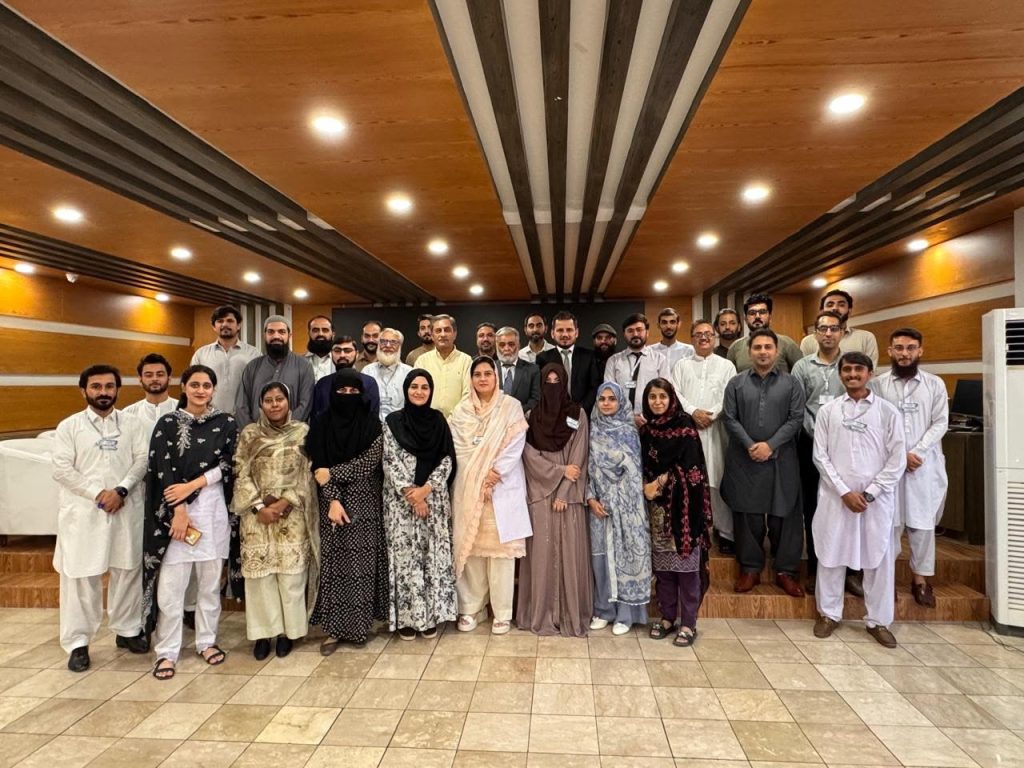
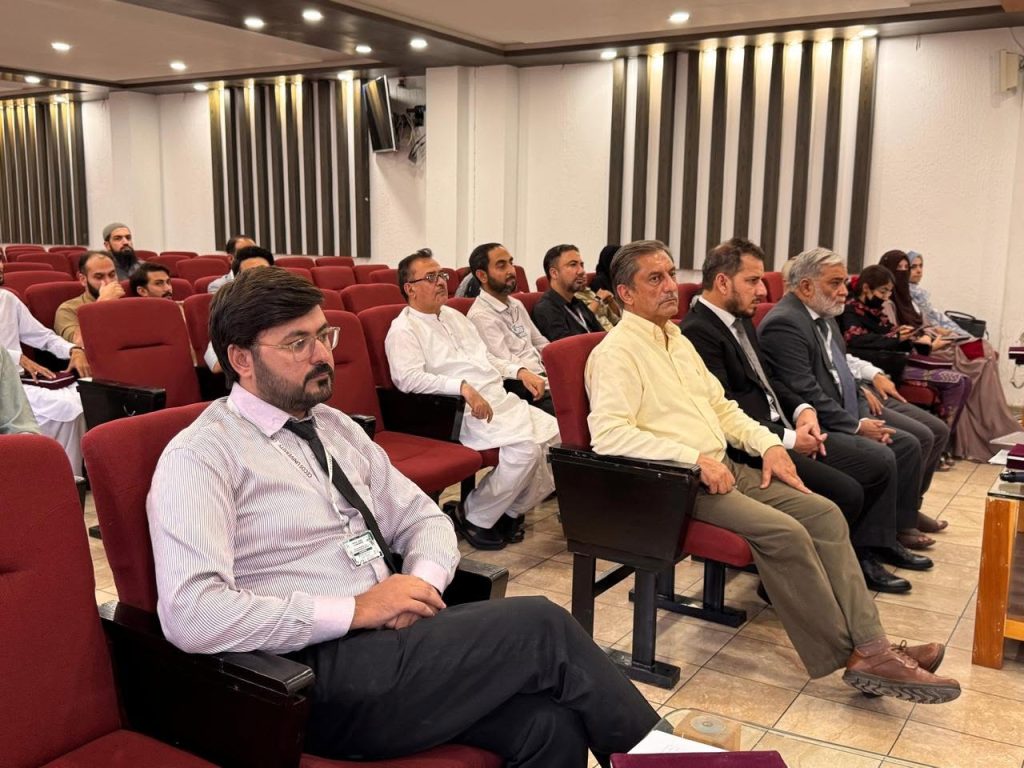
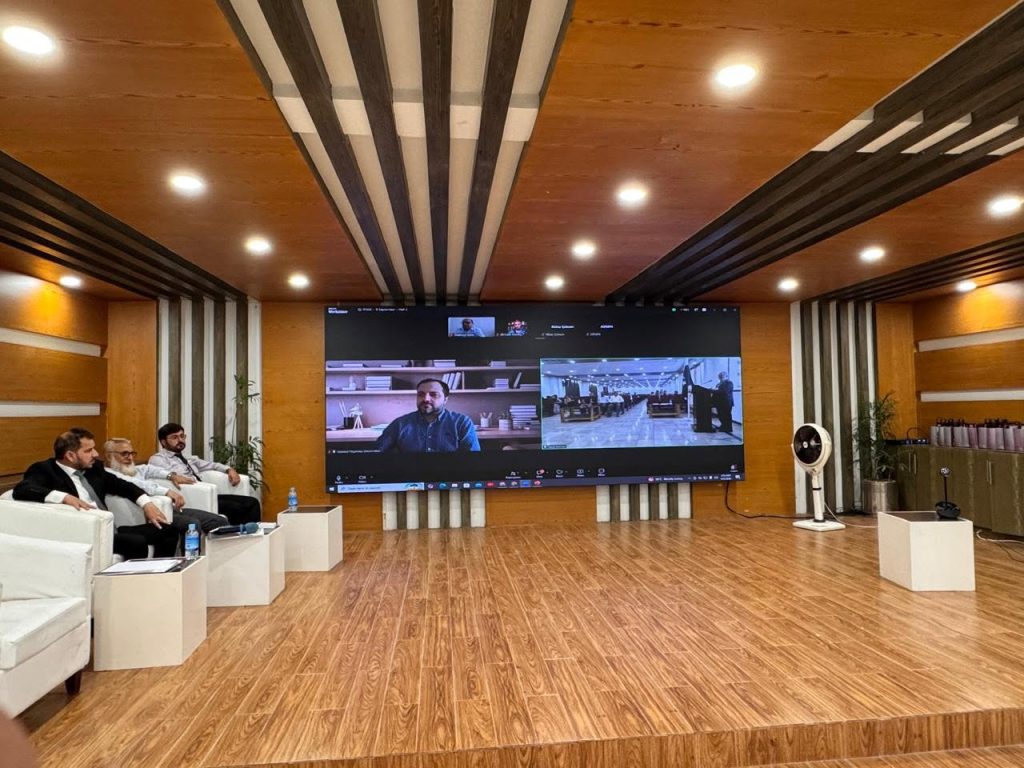
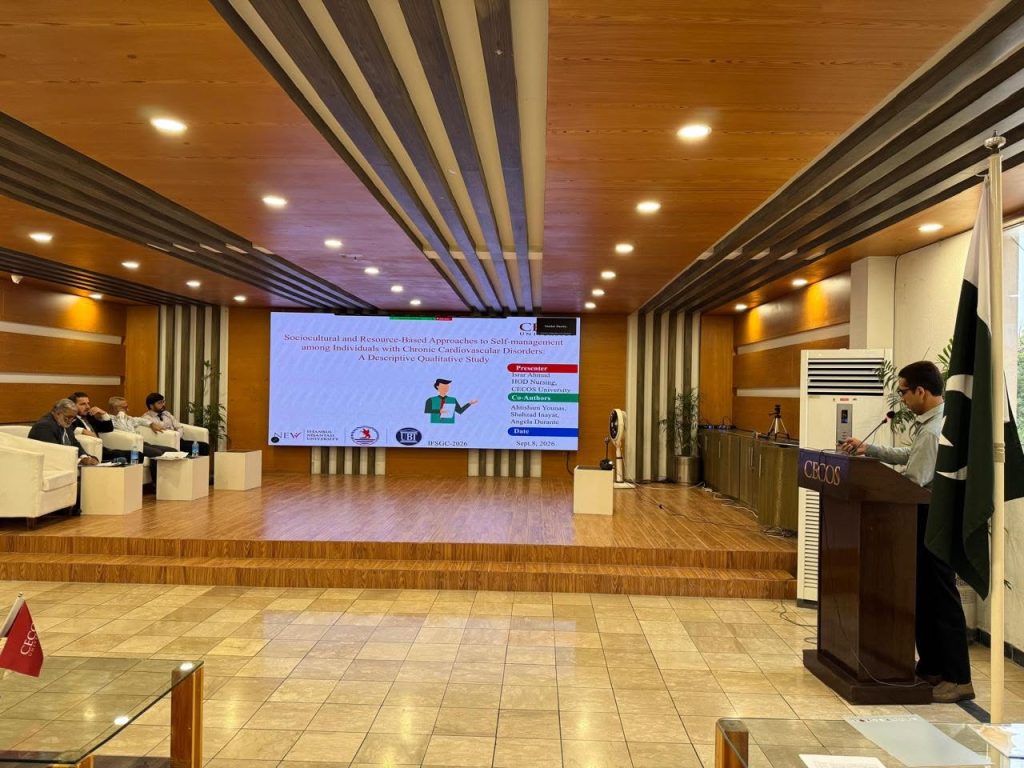
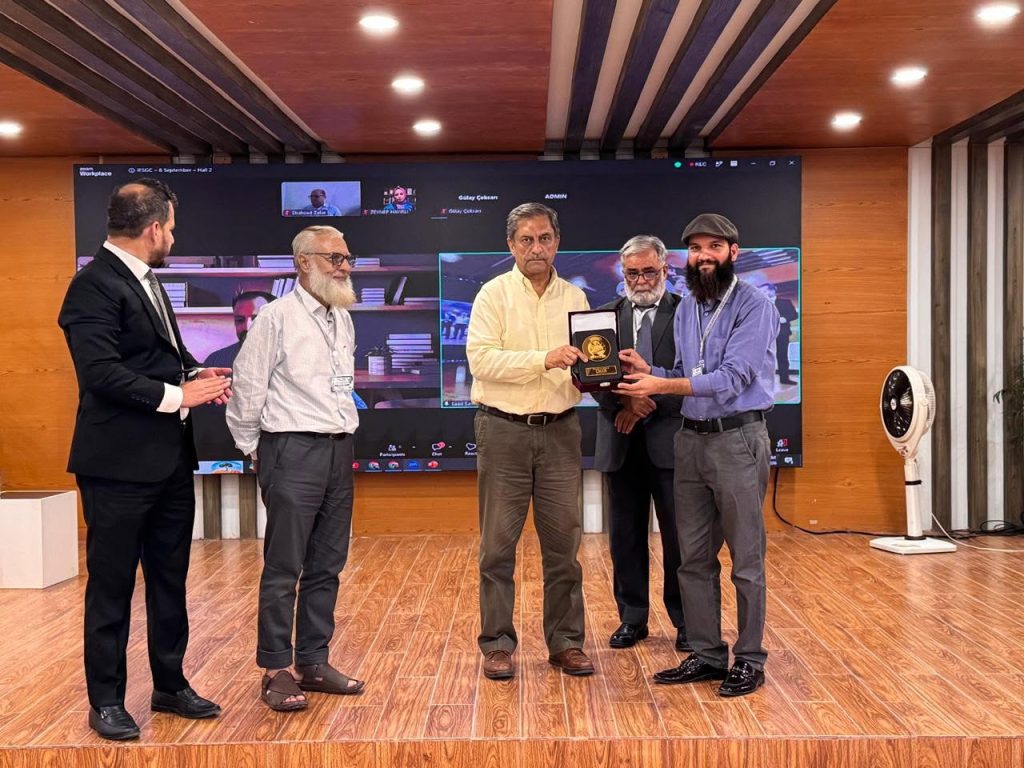
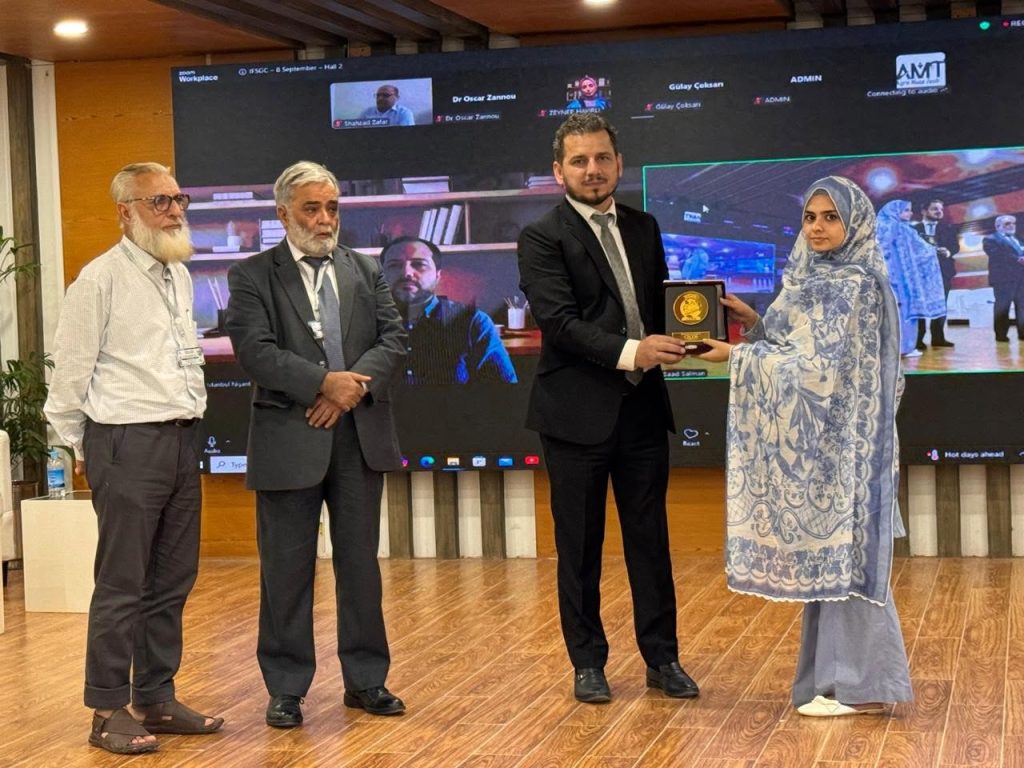
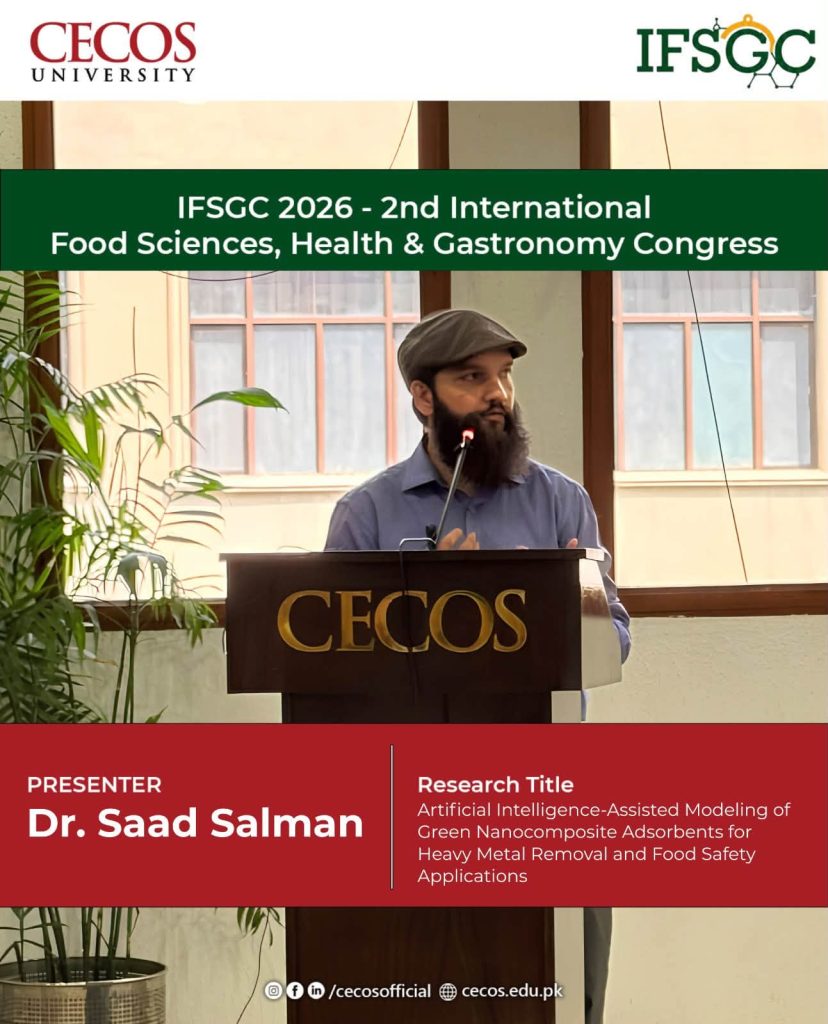
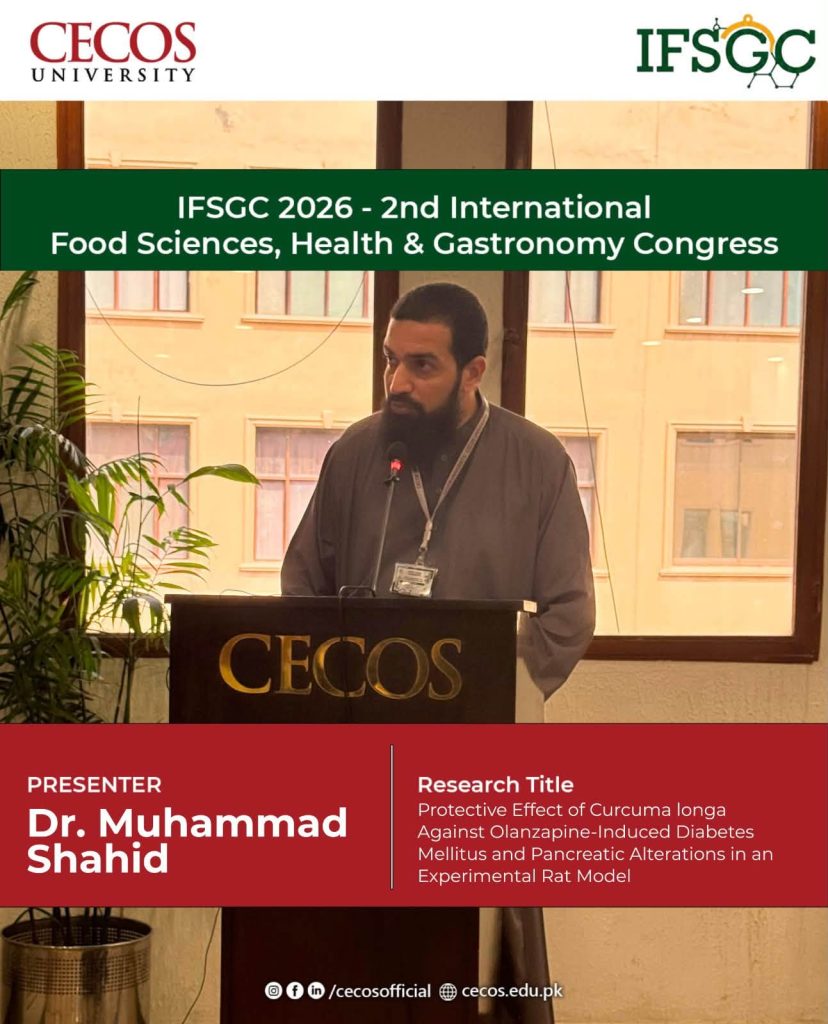
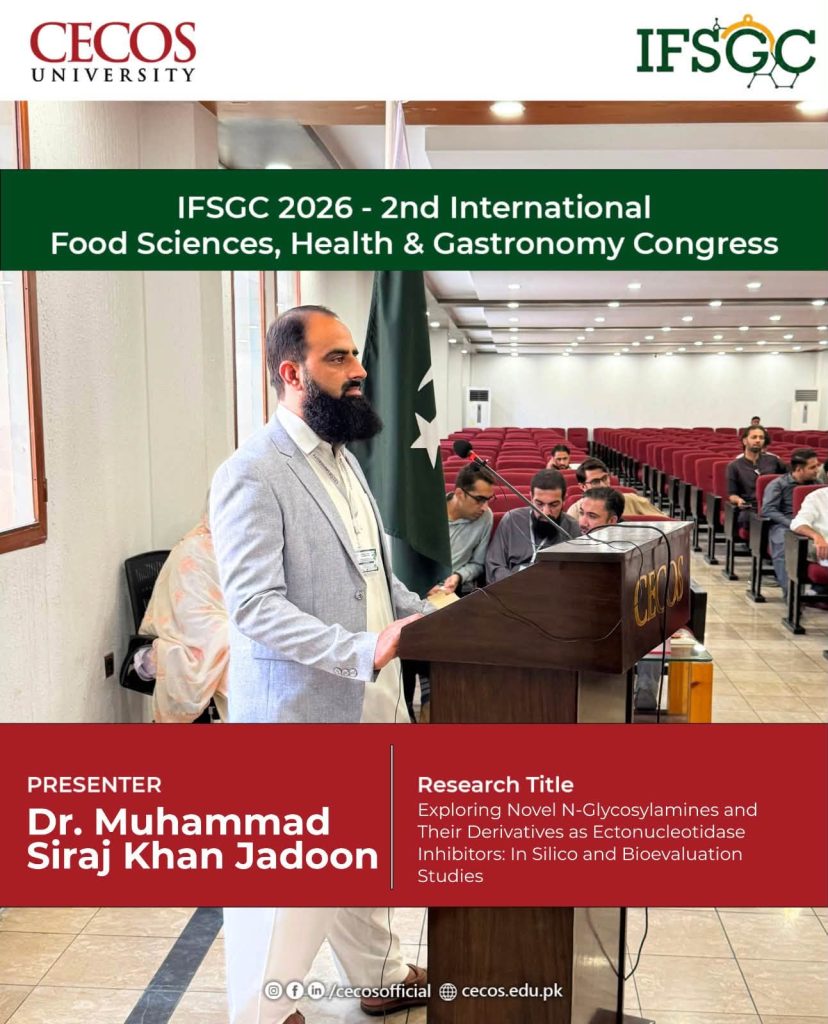
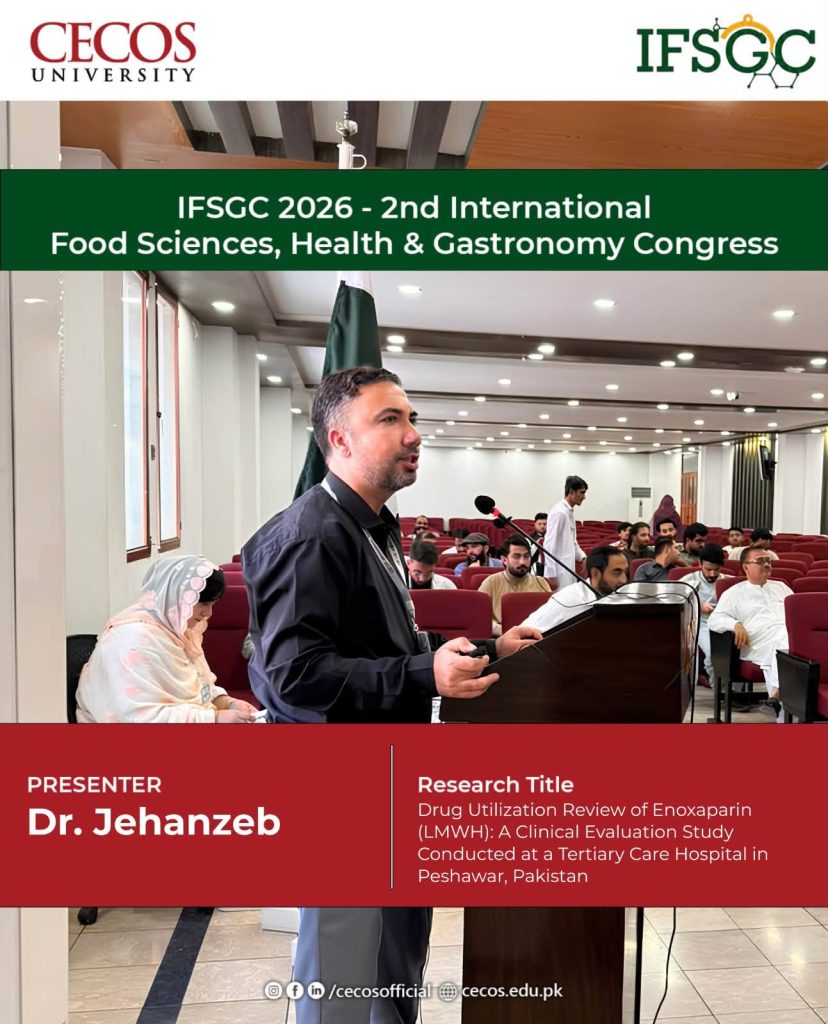
CECOS University was honored to serve as an academic collaborator and host institution in Pakistan. As part of this international gathering, participants from CECOS University delivered their presentations online from the CECOS University Symposium Hall in Peshawar, thus providing an opportunity for academic engagement in the international congress.
Organizing Institutions: Istanbul Nişantaşı University · Ondokuz Mayıs University · University for Business and Technology (UBT) · CECOS University of IT & Emerging Sciences.
Major Scientific Themes
2.1 Food Science, Quality and Safety
Food quality and safety formed an important part of the scientific programme. Presentations addressed powdered Erzincan Tulum cheese, risk-based food-safety surveillance, the phytochemical and antioxidant properties of Noccaea montana, functional fermented sausages, bottled-water quality, wine fermentation, honey authenticity, and hurdle technology for industrial beverage production.
The programme also considered food-associated microorganisms, antimicrobial resistance, food preservation, pesticide degradation, bioactive plant compounds, microbial flavoring compounds, and traditional food production. Taken together, these studies showed how analytical, microbiological, technological, and regulatory perspectives can complement one another in addressing food-quality and safety challenges.
2.2 Nutrition, Health and Dietary Research
Nutrition and health were also prominent throughout the congress. Topics included whole-food, plant-based nutrition in type 2 diabetes and prediabetes; nutrigenomic and immunological mechanisms linking nutrition with disease; dietary patterns and metabolic syndrome; nutritional characteristics associated with liver cirrhosis; nutritional support during adolescent pregnancy; and dietary management in respiratory and infectious diseases.
The range of work presented in this area underscored the importance of evidence-based nutrition, appropriate dietary interventions, disease prevention, and the links between nutritional factors and clinical outcomes.
2.3 Pharmaceutical Sciences and Food-Drug Interactions
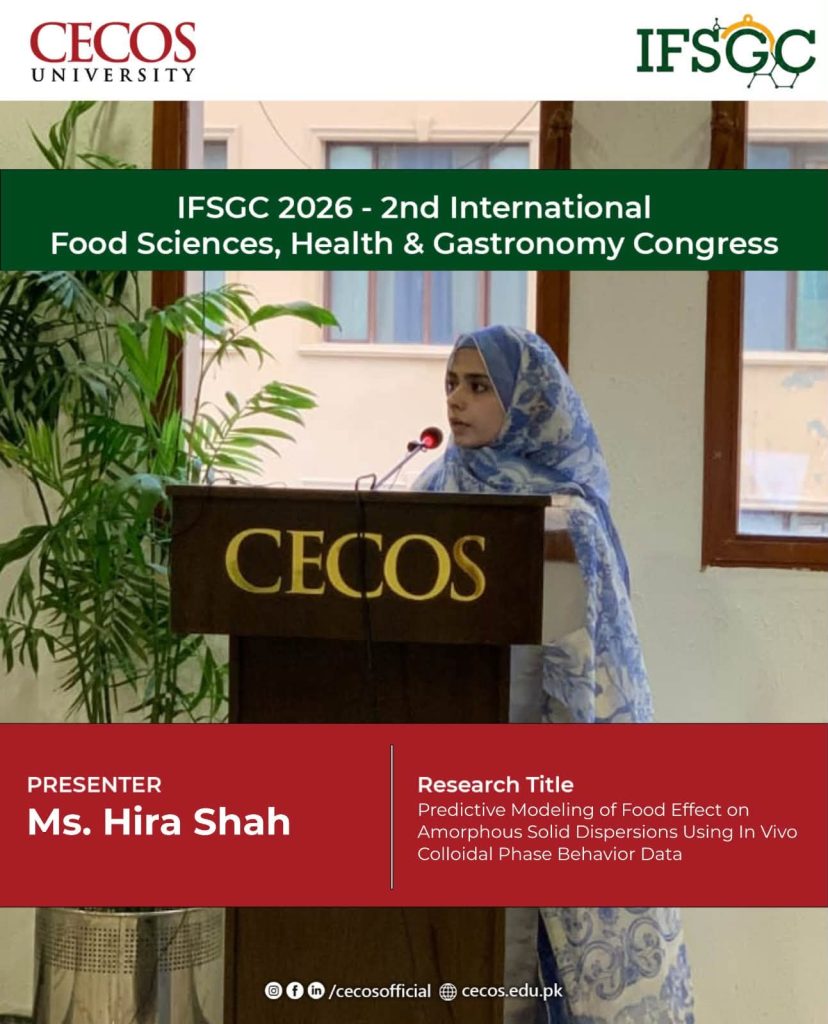
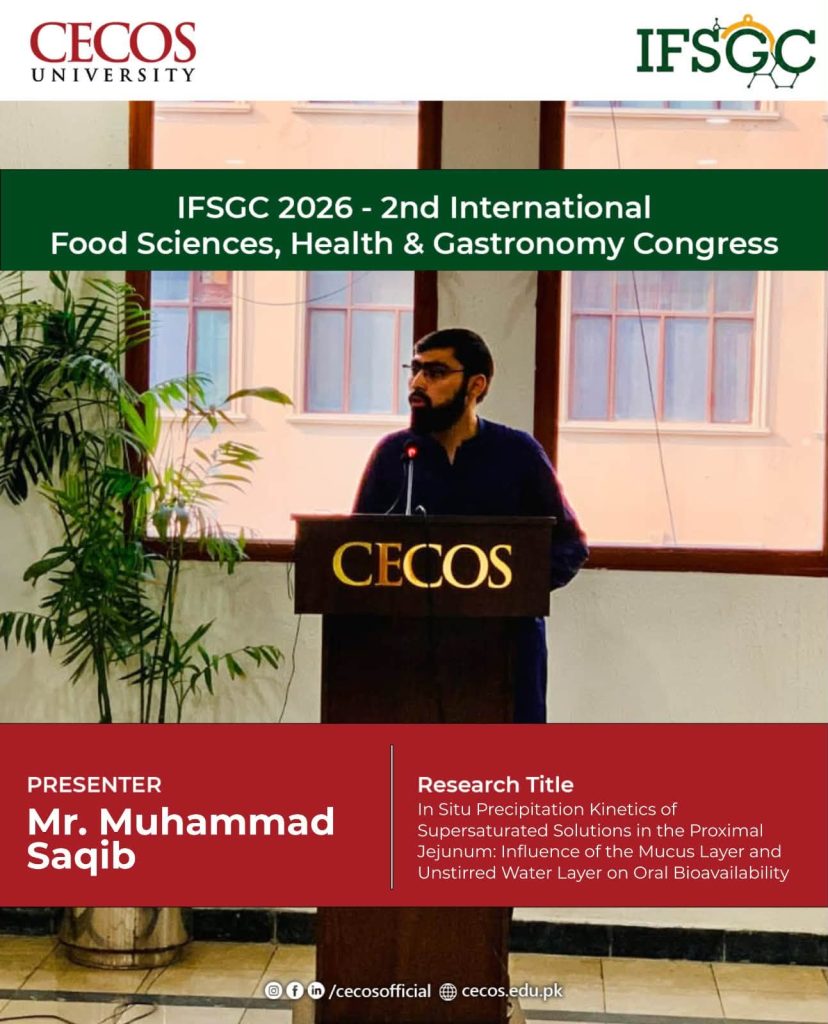
Several presentations explored questions at the intersection of food, gastrointestinal physiology, and pharmaceutical science. These included the effect of food on amorphous solid dispersions, the influence of bile-acid composition on drug solubilization and permeability, intestinal drug-metabolizing enzymes, food-mediated bile-acid binding and drug bioavailability,in situprecipitation in the proximal jejunum, and peptide-drug permeability across human intestinal models.
These studies illustrated how formulation, gastrointestinal conditions, absorption, metabolism, and food-related factors can influence oral drug performance and therapeutic outcomes.
2.4 Artificial Intelligence, Nanotechnology and Advanced Materials
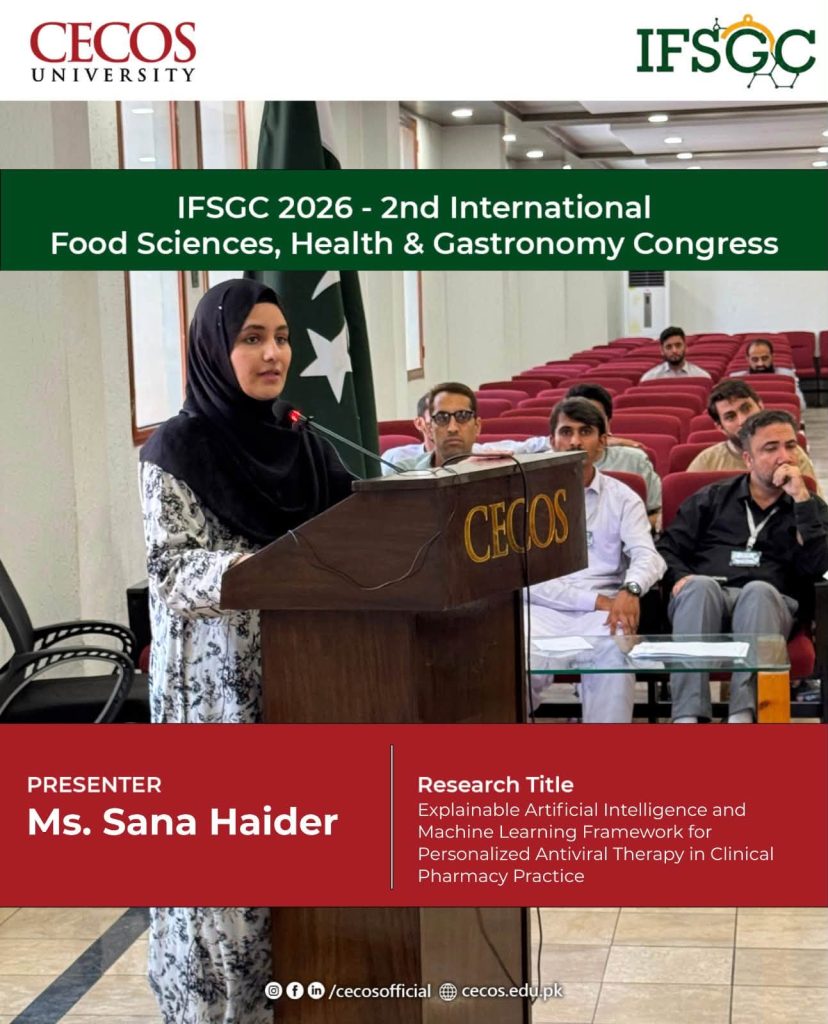
Artificial intelligence and nanotechnology emerged as important areas of interdisciplinary research. Pakistani researchers presented studies involving explainable artificial intelligence and machine learning for personalized antiviral therapy, AI-assisted modelling of green nanocomposite adsorbents for heavy-metal removal and food-safety applications, sustainable ion-exchange-modified carrageenan, and metal-coordinated carrageenan nanohybrids for functional food packaging and nutraceutical delivery.
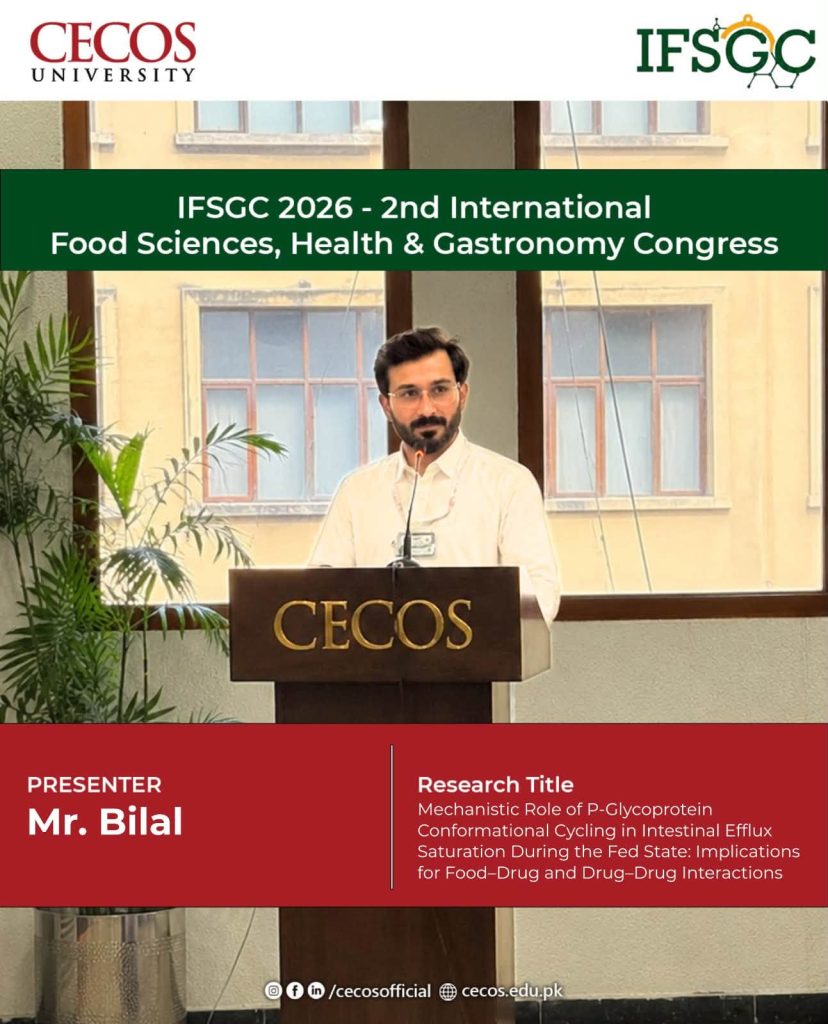
Additional work examined transition-metal-doped CuO nanoparticles supported on MCM-41 mesoporous silica, including their antibacterial and antifungal efficacy, alongside mechanistic research on intestinal P-glycoprotein and its relevance to food–drug and drug–drug interactions.
2.5 Sustainable Food Technologies and Food-Waste Valorization
Sustainability was addressed through research on food-waste utilization, packaging, agricultural technologies, and resource-efficient processing. Examples included bioactive liquid soap derived from pomegranate peel, seaweed-waste films reinforced with cellulose nanocrystals and tannic acid, and the use of spent tea leaves as a sustainable biosorbent for water-quality applications.
Other contributions considered mechanical shelling of Cucurbitaceaeseeds, awareness of sustainable nutrition and food waste, and the migration of chemical contaminants from plastic packaging into food. These studies demonstrated the breadth of sustainability-related research across the food system.
2.6 Emerging Food Technologies and Gastronomy
The congress also explored emerging technologies and consumer-oriented aspects of food and gastronomy. Presentations covered blockchain-based approaches to food security, sensory evaluation using electronic technologies, dietary patterns and cancer prevention, food-safety knowledge among vocational students, and the role of regional foods and gastronomy in cultural tourism.
Presentation Overview
The in-house presentations reflected a broad range of research interests. Work in sustainable materials and environmental applications included seaweed-waste packaging, tea-leaf biosorption, metal-doped copper oxide-MCM-41 nanocomposites, and AI-assisted modelling of green nanocomposite adsorbents. These studies focused on converting sustainable or waste-derived resources into materials with practical environmental or food-related applications.
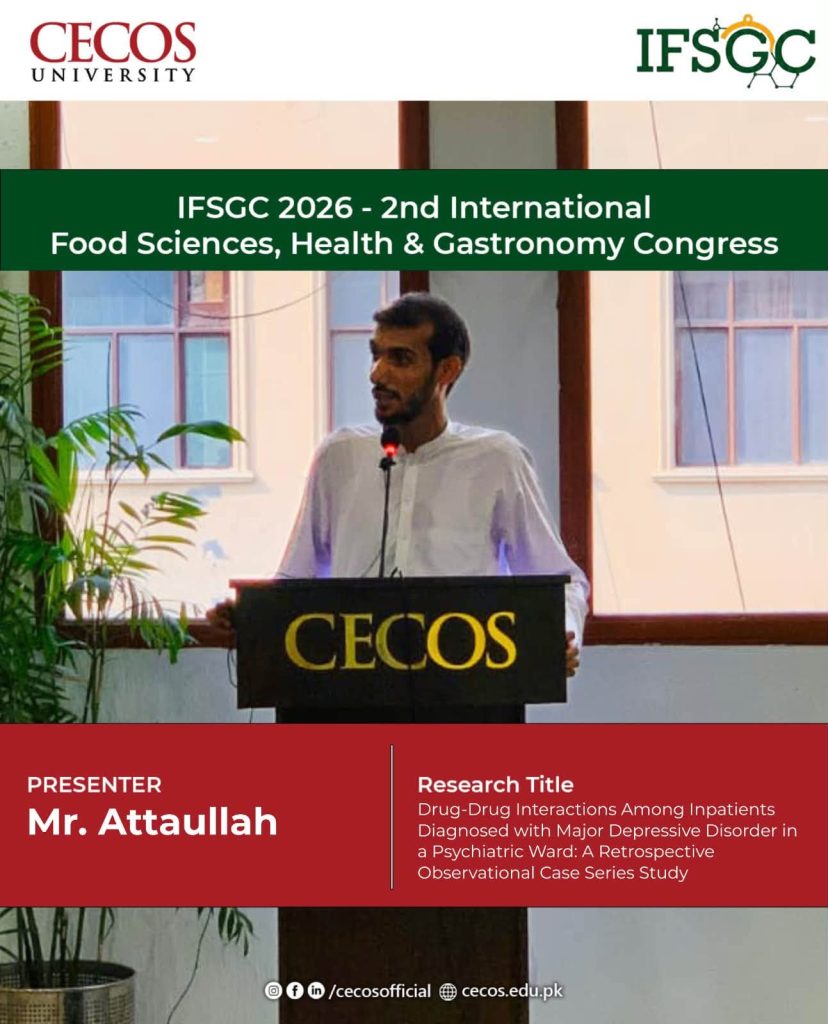
Pharmaceutical and clinical research covered enoxaparin utilization, antibiotic prescribing, drug-drug interactions, food effects on pharmaceutical systems, bile-acid-mediated drug behaviour, intestinal drug metabolism, gastrointestinal precipitation, peptide permeability, and P-glycoprotein-mediated efflux. Together, these presentations addressed clinically relevant questions involving medication use, drug disposition, and the influence of physiological or dietary factors.
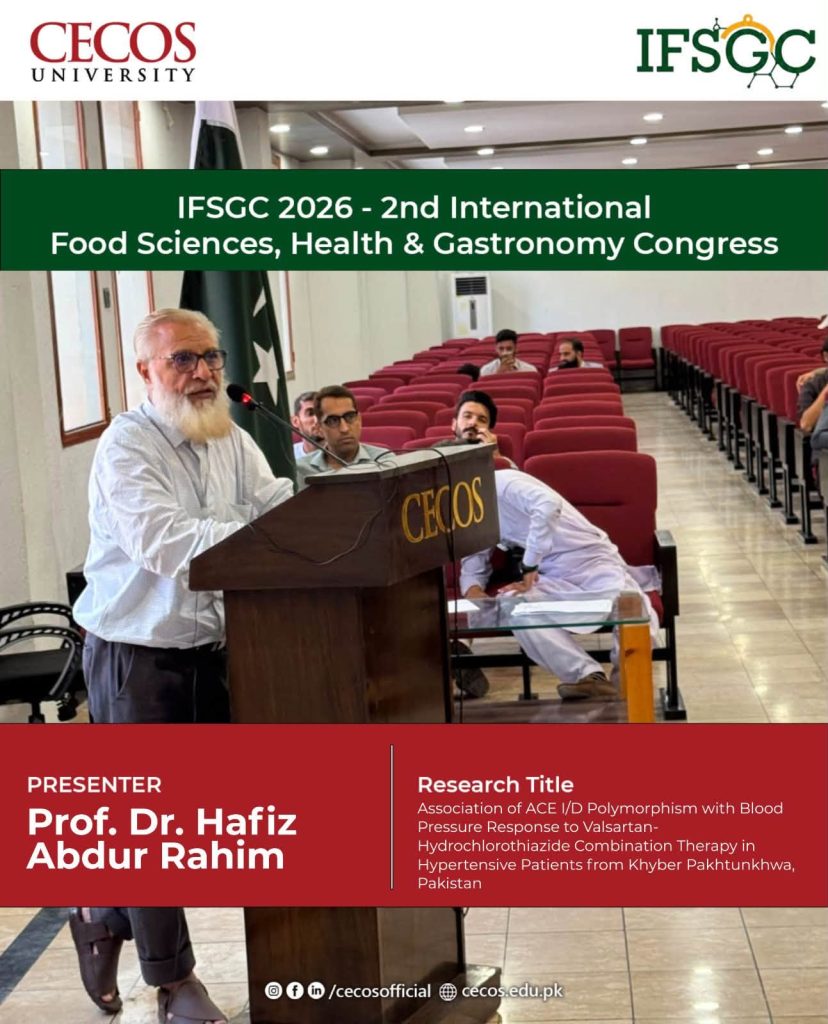
The programme also included research in molecular medicine, personalized healthcare, and computational approaches. Topics included RPGRIP1-associated Leber congenital amaurosis, ACE I/D polymorphism and antihypertensive response, pediatric intestinal drug-metabolizing enzymes, personalized antiviral therapy using explainable AI, and computational and biological evaluation of potential ectonucleotidase inhibitors.
Additional presentations addressed natural-product pharmacology, food preservatives and hypersensitivity, cardiovascular self-management, and musculoskeletal health. This combination of topics demonstrated the breadth of research represented by the participating faculty and researchers.
Complete List of Presentations
|
# |
Presenter |
Research Title |
|
1 |
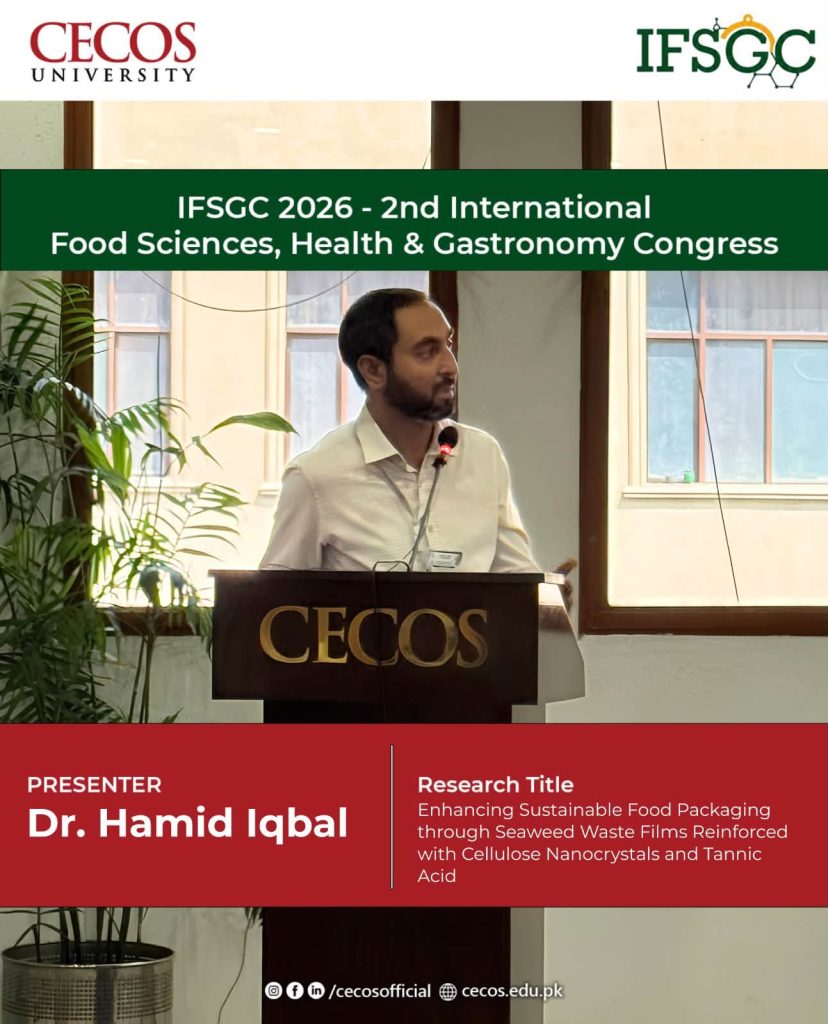
Dr. Hamid Iqbal |
Enhancing Sustainable Food Packaging through Seaweed Waste Films Reinforced with Cellulose Nanocrystals and Tannic Acid |
|
2 |
Dr. Saad Salman |
Artificial Intelligence-Assisted Modeling of Green Nanocomposite Adsorbents for Heavy Metal Removal and Food Safety Applications |
|
3 |
Dr. Muhammad Shahid |
Protective Effect ofCurcumalongaAgainst Olanzapine-Induced Diabetes Mellitus and Pancreatic Alterations in an Experimental Rat Model |
|
4 |
Dr. Muhammad Siraj Khan Jadoon |
Exploring Novel N-Glycosylamines and Their Derivatives as Ectonucleotidase Inhibitors: In Silico and Bioevaluation Studies |
|
5 |
Dr. Zafar Muhammad Shahzad |
Harnessing Food Waste for Water Quality: Spent Tea Leaves as an Effective and Sustainable Biosorbent |
|
6 |
Dr. Jehanzeb |
Drug Utilization Review of Enoxaparin (LMWH): A Clinical Evaluation Study Conducted at a Tertiary Care Hospital in Peshawar, Pakistan |
|
7 |
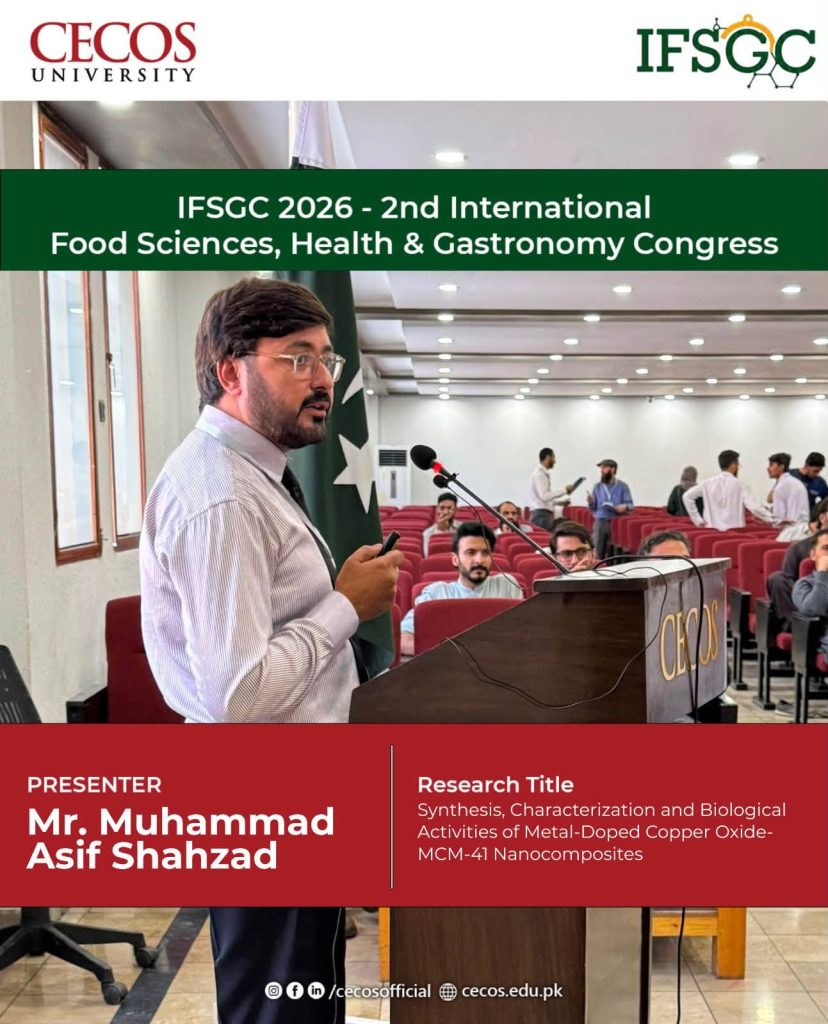
Dr. Muhammad Asif Shahzad |
Synthesis, Characterization and Biological Activities of Metal-Doped Copper Oxide-MCM-41 Nanocomposites |
|
8 |
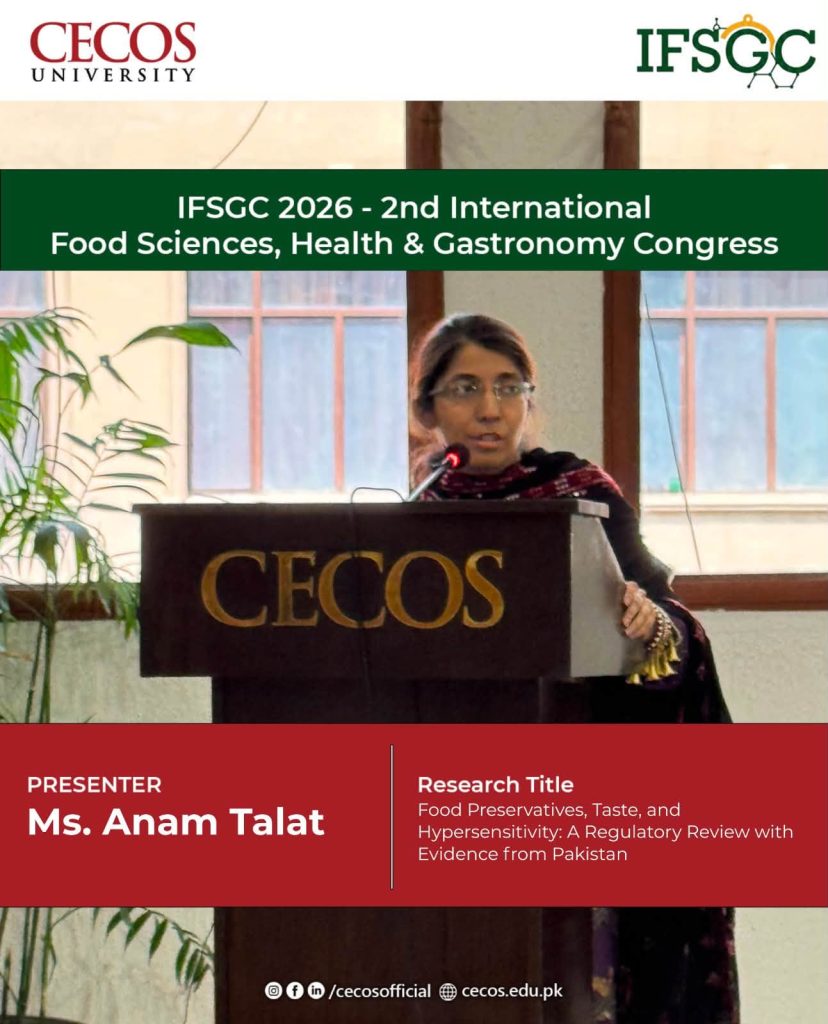
Ms. Anam Talat |
Food Preservatives, Taste, and Hypersensitivity: A Regulatory Review with Evidence from Pakistan |
|
9 |
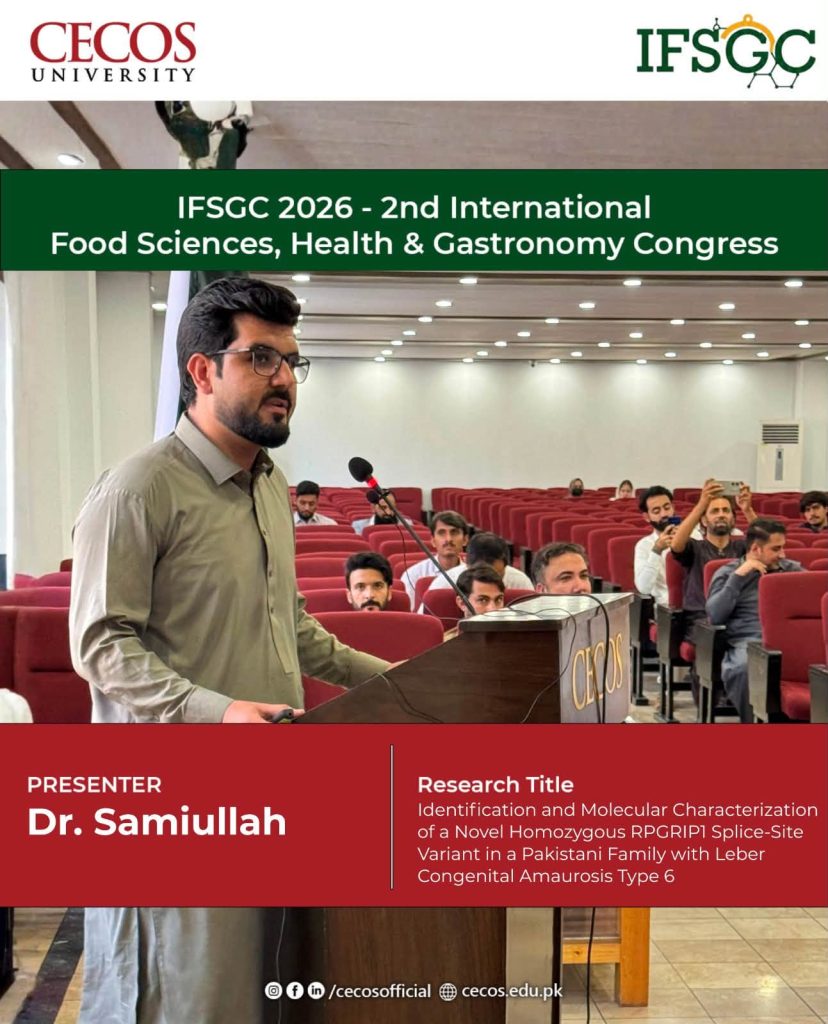
Dr. Samiullah |
Identification and Molecular Characterization of a Novel Homozygous RPGRIP1 Splice-Site Variant in a Pakistani Family with Leber Congenital Amaurosis Type 6 |
|
10 |
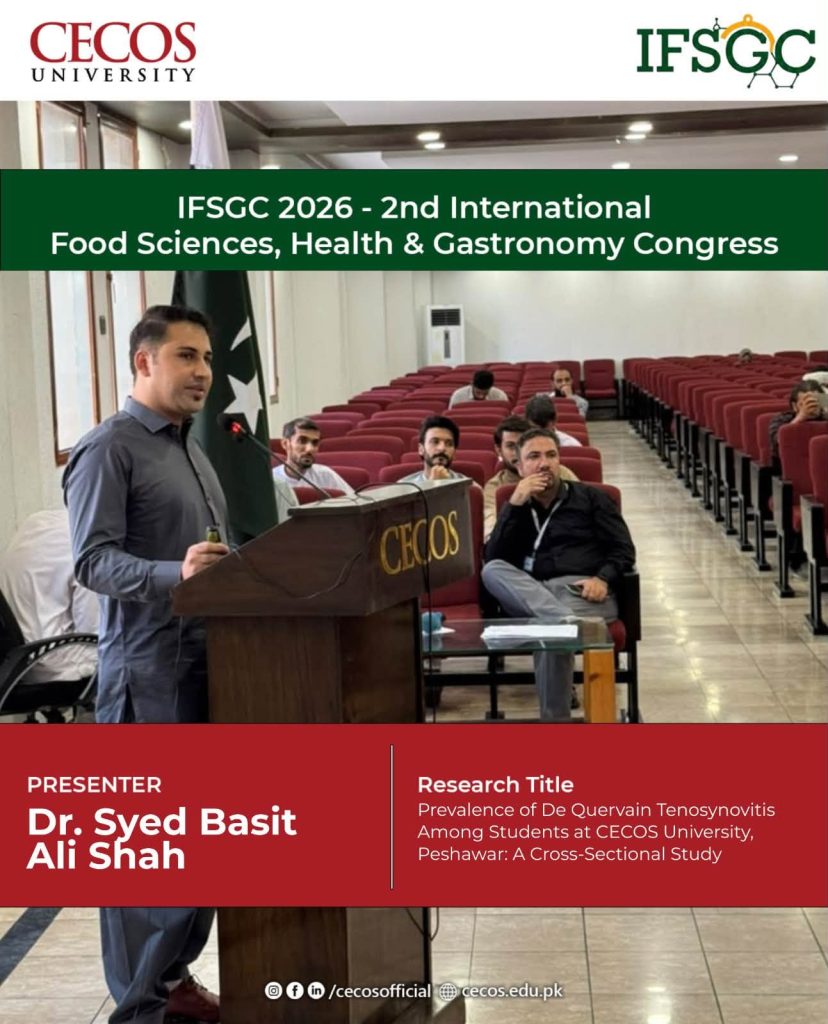
Dr. Syed Basit Ali Shah |
Prevalence of De Quervain Tenosynovitis Among Students at CECOS University, Peshawar: A Cross-Sectional Study |
|
11 |
Ms. Sana Haider |
Explainable Artificial Intelligence and Machine Learning Framework for Personalized Antiviral Therapy in Clinical Pharmacy Practice |
|
12 |
Prof. Dr. Hafiz Abdur Rahim |
Association of ACE I/D Polymorphism with Blood Pressure Response to Valsartan-Hydrochlorothiazide Combination Therapy in Hypertensive Patients from Khyber Pakhtunkhwa, Pakistan |
|
# |
Presenter |
Research Title |
|
13 |
Ms. Hira Shah |
Predictive Modeling of Food Effect on Amorphous Solid Dispersions Using In Vivo Colloidal Phase Behavior Data |
|
14 |
Dr. Israr Ahmad |
Sociocultural and Resource-Based Approaches to Self-Management Among Individuals with Chronic Cardiovascular Disorders: A Descriptive Qualitative Study |
|
15 |
Mr. Attaullah |
Drug-Drug Interactions Among Inpatients Diagnosed with Major Depressive Disorder in a Psychiatric Ward: A Retrospective Observational Case Series Study |
|
16 |
Mr. Saif Ibrahim |
Food-Mediated Bile Acid Micellar Binding and Its Impact on Elbasvir Bioavailability: Implications for Precision Nutrition and Hepatitis C Therapy |
|
17 |
Ms. Hoor Fatima |
Impact of Bile Acid Composition Variability on the Solubilization and Permeation of BCS Class II Drugs in Human Aspirates |
|
18 |
Mr. Muhammad Saqib |
In Situ Precipitation Kinetics of Supersaturated Solutions in the Proximal Jejunum: Influence of the Mucus Layer and Unstirred Water Layer on Oral Bioavailability |
|
19 |
Dr. Jehanzeb Khan |
Antibiotic Prescribing Practices in a Tertiary Care Hospital in Peshawar, Pakistan: A Cross-Sectional Study |
|
20 |
Mr. Bilal |
Mechanistic Role of P-Glycoprotein Conformational Cycling in Intestinal Efflux Saturation During the Fed State: Implications for Food–Drug and Drug–Drug Interactions |
Major Scientific Areas
Overall, the in-house programme can be viewed across four closely connected areas: sustainable food and environmental technologies; pharmaceutical and clinical sciences; artificial intelligence and computational research; and molecular and personalized healthcare. Rather than representing isolated disciplines, the presentations showed considerable overlap between them, for example, through the use of AI in pharmaceutical and environmental research and the application of advanced materials to food and sustainability challenges.
The programme also highlighted the growing importance of research that connects scientific innovation with practical problems, including waste reduction, food safety, environmental remediation, rational medicine use, individualized treatment, and improved understanding of drug behaviour.
Conclusion
The 2nd International Food Sciences, Health and Gastronomy Congress provided a broad platform for presenting contemporary research and encouraging academic exchange. The 20 in-house presentations documented in this report covered diverse subjects ranging from sustainable food technologies and advanced materials to clinical pharmacy, molecular medicine, artificial intelligence, and food-health interactions.
Beyond the individual research topics, the congress highlighted a common emphasis on practical scientific challenges and interdisciplinary solutions. The event therefore offered an opportunity to disseminate research findings, strengthen professional connections, and identify potential directions for future collaboration.